Georgia has become one of the country's most active production environments. Crews, stages and support businesses have grown around a steady stream of film and television work. For a new actor or creative, that scale is an opportunity, but the industry can feel opaque from the outside. This guide is an orientation: a practical way to understand the landscape and take your first steps with intention.
Why Georgia Is a Production Hub
Georgia's competitive state film tax incentive has helped make the state an attractive place for productions to work. Around that activity, a deep base of soundstages and studio infrastructure has developed across metro Atlanta, alongside vendors and support businesses that keep sets moving.
The workforce has also been trained over years of steady production. That means new creatives are entering a working ecosystem with experienced crew members, production services and creative communities already in place. The opportunity is real, but it still rewards preparation and patience.
Union vs. Non-Union: Know the Difference
SAG-AFTRA covers certain union work, with set rates and working conditions for covered performers. Non-union projects operate under their own terms. The distinction can affect the agreement you sign, the protections attached to the job and the way the work counts toward future eligibility.
Many working actors begin with non-union, student and independent projects while they build credits, practice set etiquette and learn what kind of work suits them. Union eligibility comes later through qualifying work. Read every contract before agreeing, ask questions when language is unclear and understand exactly what you are accepting.
Where to Find Casting Notices
Start with regional casting notice boards and social accounts run by Atlanta-area casting offices. Georgia film office resources and local film commission channels can also help you understand the production community and find legitimate places to watch for opportunities.
Local talent agencies are another part of the picture. Learn which agencies work with performers at your level and build those relationships professionally over time. Before submitting anywhere, verify who is casting, what the project is asking for and whether the notice provides a clear, appropriate submission process.
What You Actually Need Before You Audition
You do not need a complicated setup to begin, but you do need materials that represent you honestly and a routine you can repeat under a deadline. Have these basics ready:
- Current headshots — a clean, honest portrait that looks like you on your best day, not your glamour day
- A comp card or resume — your stats, credits and training on one page
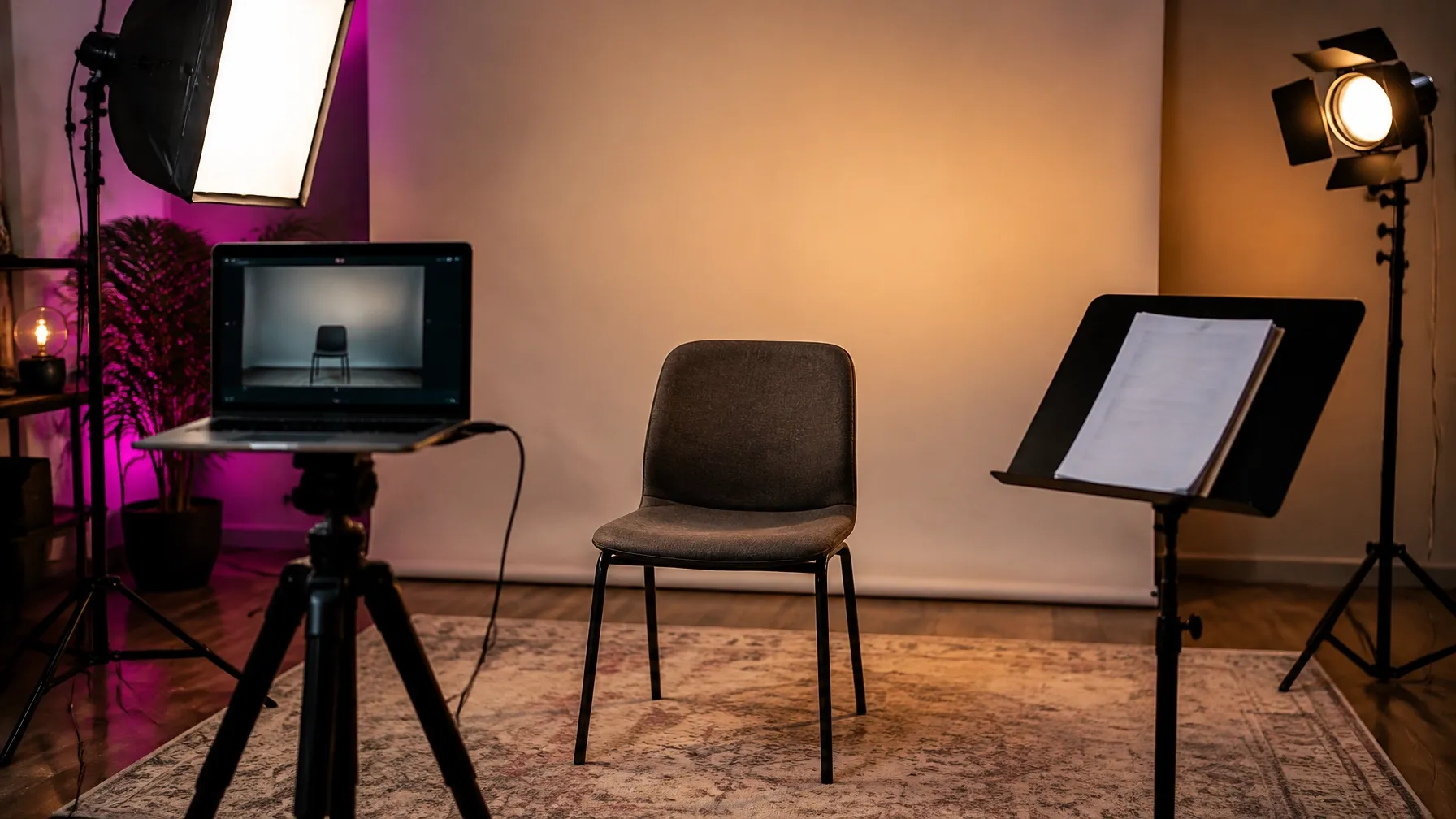
- A self-tape setup — a quiet wall, decent key light, a tripod or phone mount and a good mic
- A reader — someone off-camera to deliver the other lines, in person or on video
- Quick turnaround habits — auditions often land with 24-hour or shorter deadlines; build a routine that lets you tape fast without sacrificing quality
The Rise of the Self-Tape
Self-taped auditions are now a standard part of modern casting. Casting teams review tapes at scale, so a clean, well-lit tape with clear audio is itself part of the audition. Good framing, a steady eyeline and a performance that is easy to watch help keep the focus where it belongs: on your work.
Jean Alon Media operates a self-tape production service from Downtown Atlanta at 260 Peachtree Street NW for actors who want a professional setup without buying their own. A studio can give you reliable lighting, sound and support when a deadline is close or your home setup is not ready.
Building a Local Network
Networking in a production town is less about collecting contacts and more about becoming a familiar, dependable presence. Show up to local screenings, workshops and community events. Volunteer on student and independent sets when the role is appropriate, and be known for being prepared, on time and easy to work with.
Follow Atlanta creatives and casting offices online. When the moment is right, introduce yourself politely and specifically; a thoughtful note is more useful than a broad request for work. Let relationships develop through shared work and genuine interest in the community.
On-Set Etiquette and Call Sheets
A call sheet is the daily schedule for a shoot day: where to be, when to be there and with whom. Read it carefully, confirm the details you need and plan your route before the day begins. Arriving early gives you room to park, check in and get ready without adding pressure to the production.
On set, be quiet when cameras roll, keep your phone away, know your lines and treat every crew member with respect. Production is collaborative work, and word travels fast in a production town. Professional habits are part of your reputation long before anyone sees the final cut.
First Steps for Someone Starting Today
Get headshots made, assemble a self-tape setup or book a studio, pick one casting channel and check it daily, and take one acting or improv class to keep sharp. Keep your materials current as your experience grows.
Everyone in the industry once stood where you stand. Georgia's scene rewards people who keep showing up prepared, curious and ready to contribute. Start with one useful step today, then let consistency build the next one.